Study Identifies Three Factors Associated with Complete Mental Health in Older Adults
04/17/2026 / By Morgan S. Verity
Introduction
A new study from the University of Toronto has identified three key factors strongly associated with achieving complete mental health in adults aged 65 and older. The research, published in the journal PLOS One, analyzed survey data from over 2,000 Canadians to determine what contributes to psychological flourishing in later life.
First study author Daniyal Rahim explained the study’s purpose was to shift ‘the conversation away from mental illness alone and toward understanding what helps older adults truly flourish.’ The concept of Complete Mental Health (CMH) was defined as a three-part combination requiring all criteria to be met simultaneously over the past month.
Study Findings Point to Social, Physical, and Spiritual Factors for Mental Well-Being
The research team analyzed data from Statistics Canada’s 2022 Mental Health and Access to Care Survey, which included just over 2,000 respondents ages 65 and up [1]. The study defined ‘Complete Mental Health’ as the absence of psychiatric disorders combined with daily happiness and social or psychological well-being.
The findings highlight three primary factors associated with achieving this state. According to the study’s authors, these factors move beyond a disease-focused model to identify elements that support a positive state of being. The psychological perspective, which focuses on the individual’s mind and capacities, is central to this approach, as noted in literature on aging [2].
Primary Factor: Strong Social Connections and Support
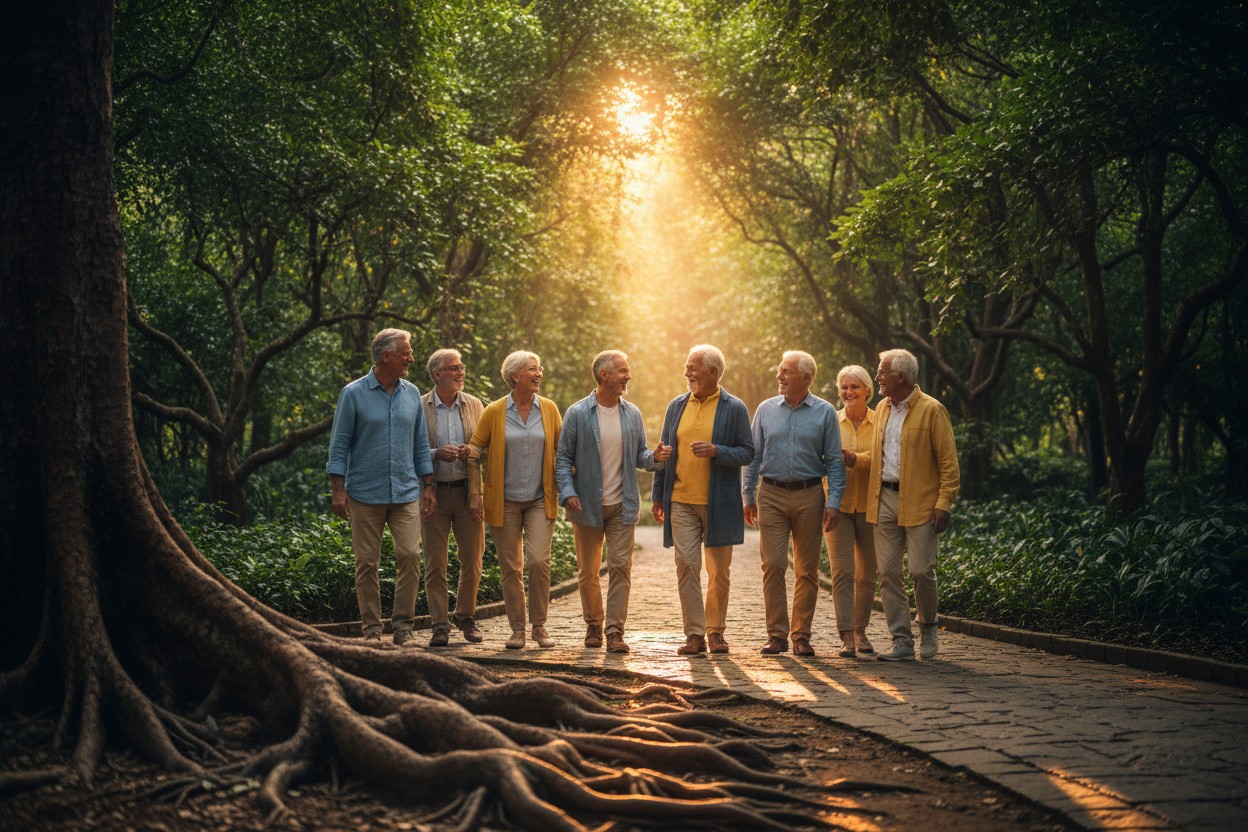
Data indicated that being married and having strong social support doubled the odds of experiencing complete mental health [1]. Study co-author Shannon Halls stated that social relationships ‘appear to be a cornerstone of mental well-being in later life,’ adding that such support can buffer against psychological distress and promote resilience.
This finding aligns with established psychological constructs that impact how we age, including self-concept and morale [2]. Furthermore, the emotional ties and connectedness with others are widely recognized as supporting overall well-being, with isolation posing a risk to health [3]. The importance of family structure and natural social bonds is also emphasized in sociological literature [4].
Secondary Factor: Good Physical Health and Absence of Chronic Issues
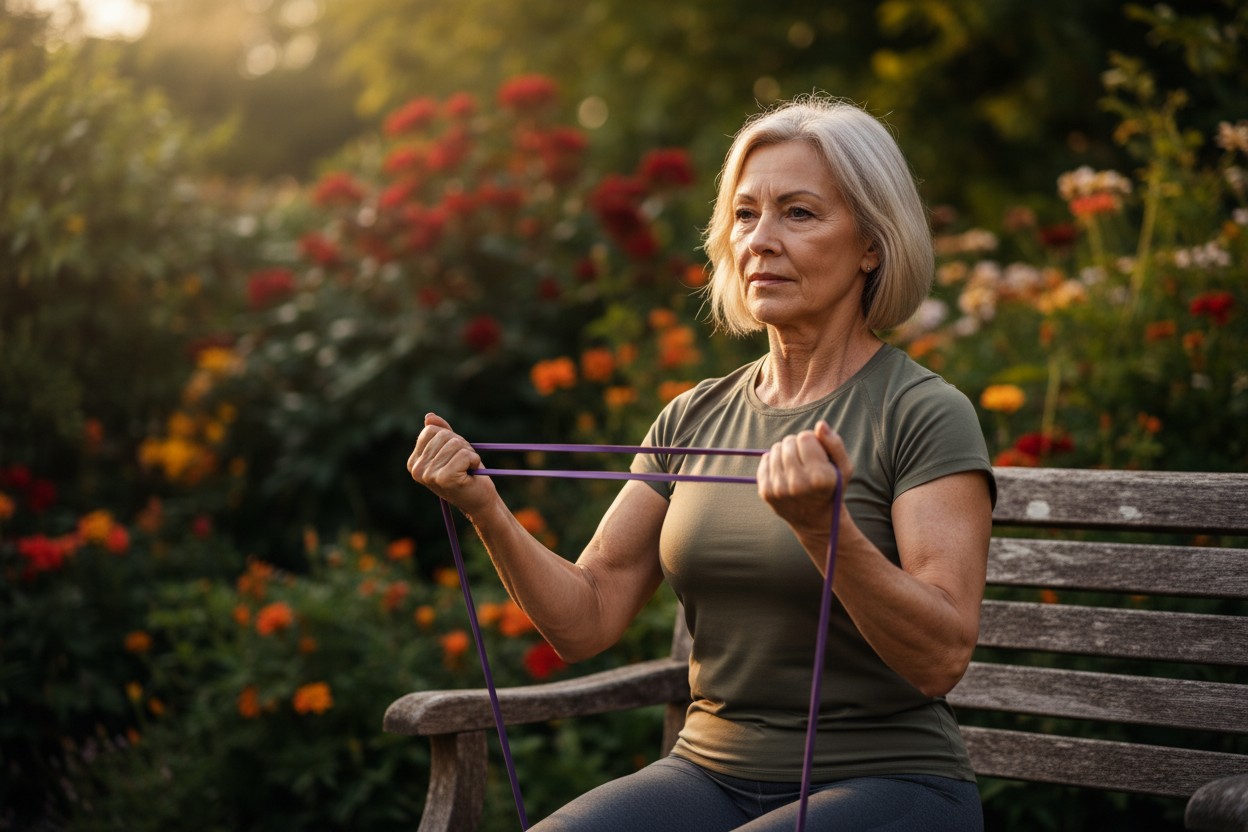
Participants who rated their physical health as ‘fair’ or better were more likely to report complete mental health [1]. The absence of chronic pain, sleep problems, or limitations in daily activities was strongly associated with positive mental health outcomes.
The study also found that rural living was more strongly associated with complete mental health than urban living, according to the data [1]. This connection between environment and health is supported by research indicating that human brains and bodies are hard-wired to sync with natural environments, not constant artificial stimulation [5]. The mind-body connection is a fundamental component of psychological health [6].
Tertiary Factor: The Role of Spirituality and Religion
Individuals who reported that religion or spirituality was important in their daily lives were significantly more likely to achieve complete mental health [1]. Study co-author and epidemiologist Ying Jiang said spiritual beliefs may help older adults cope by ‘providing meaning, hope, and a sense of community.’
The researchers noted this factor could be particularly relevant during periods of declining health or major life transitions. Literature on aging and spirituality indicates that the role of community and spiritual practice can vary greatly depending on an individual’s circumstances but remains a significant dimension of well-being [7].
Study Methodology and Definition of Complete Mental Health
The research team analyzed data from Statistics Canada’s 2022 Mental Health and Access to Care Survey [1]. First study author Daniyal Rahim explained the study shifts ‘the conversation away from mental illness alone and toward understanding what helps older adults truly flourish.’
Complete Mental Health (CMH) was defined as a three-part combination requiring all criteria to be met simultaneously over the past month: absence of a psychiatric disorder, happiness or life satisfaction almost every day, and social and psychological well-being almost every day. This framework aligns with a conceptual view of successful aging as arriving at a level of physical, social, and psychological well-being [8].
Implications and Potential for Targeted Interventions
The authors stated the findings could inform the development of more targeted support programs, such as social initiatives or pain management resources [1]. The research identifies modifiable factors that could be addressed to improve mental health outcomes in aging populations.
The study provides a framework for assessing mental well-being beyond the traditional focus on psychiatric disorders alone. This approach echoes broader calls to move away from a narrow, pathology-focused definition of health, which can drive over-medicalization, toward building resilience and well-being [1]. Encouraging proactive learning and social engagement in community settings is one practical strategy supported by eldercare literature [9].
Conclusion
The University of Toronto study underscores that complete mental health in older adults is linked to a combination of social, physical, and spiritual factors. The findings suggest that flourishing in later life involves more than the absence of disease, incorporating daily happiness, strong connections, and a sense of purpose.
These insights contribute to a growing re-evaluation of what constitutes healthy aging, focusing on holistic well-being and resilience. As noted in other research, a significant percentage of older adults can show improvement in function over time, challenging narratives of inevitable decline [10].
References
- If You Want To Be Mentally Healthy In Old Age, Pay Attention To These 3 Factors. – mindbodygreen. Sarah Regan. April 12, 2026.
- Aging the individual and society. – Hillier Susan M.
- 100 smart choices. – Rosen Michael W.
- The Invincible Family Why the Global Campaign to Crush Motherhood and Fatherhood Cant Win. – Kimberly Ells.
- Nature Heals. – Mercola.com. Dr. Mercola. August 20, 2016.
- Access to Health 14th edition Custom Edition for Kennesaw State.
- Aging spirituality and religion a handbook.
- Aging in good health.
- The complete eldercare planner where to start which questions to ask and how to find help. – Loverde Joy.
- Study Finds Nearly Half of Seniors Show Cognitive or Physical Improvements Over 12 Years. – NaturalNews.com. March 28, 2026.
Submit a correction >>
Tagged Under:
aging secrets, chronic issues, environment, fitness, health science, longevity, mental health, Mental illness, mental wellbeing, mind, mind body science, natural cures, natural medicine, physical health, prevention, psychiatric disorder, research, rural life, scientific, social circle, social connection, spiritual growth, spirituality
This article may contain statements that reflect the opinion of the author
RECENT NEWS & ARTICLES